The work - 350+ builds, a decade, three continents
Every network has a moment of truth.
We call it show day.
The gates open, the broadcast goes live, the crowd arrives, and the design either holds or it doesn't. These are some of the days ours held. Not a portfolio; a record of pressure.
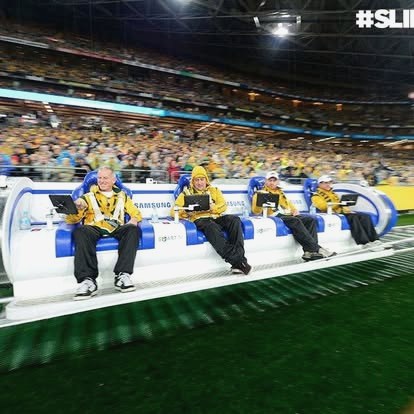
A couch doing 20 km/h past 75,000 phones, streaming live the whole way.
The Slideliner was a world-first: four fans on a motorised couch, racing the play along an 80-metre trackside rail while they filmed, snapped and shared it all live. A marketing icon in front of national broadcast cameras, and a network designer's nightmare. Our brief: 20 Mbps of redundant bandwidth per rider, on a moving platform, inside one of the densest RF environments in the country.
We bonded fibre, licensed fixed wireless and multi-carrier 4G behind a meshed trackside WiFi corridor with engineered handoff points, so the uplink never blinked, from try-line to try-line, launch night's torrential rain included. The campaign went on to sweep global marketing awards. Nobody ever mentioned the network. That's the job.
The largest outdoor location-based WiFi network in the world, at the time, anywhere.
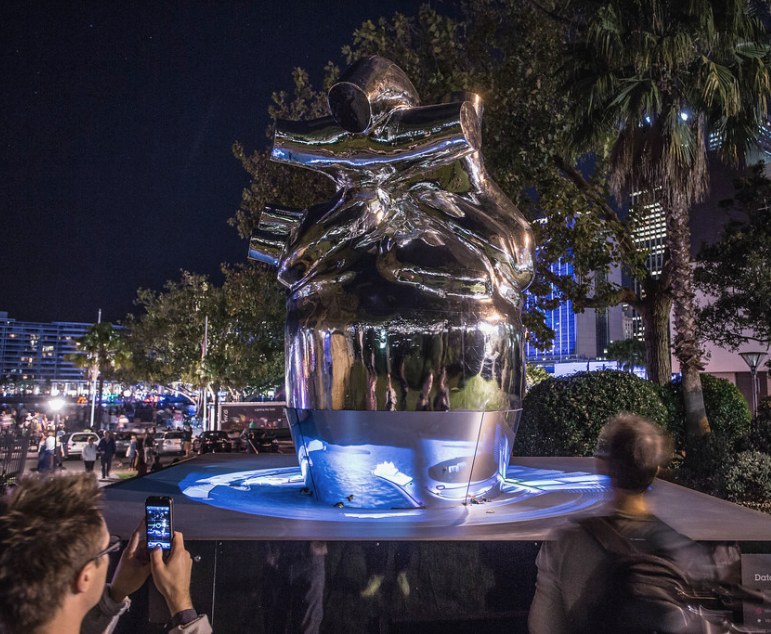
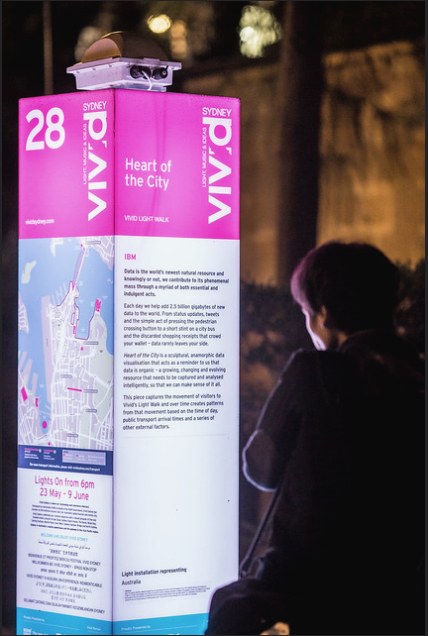
For IBM's Heart of the City, a mirrored heart sculpture that pulsed with visitors' own heartbeats, Vivid needed more than an installation. It needed to see the crowd. We designed and delivered an industry-first outdoor location-based services network across 200,000 square metres of Circular Quay: 50 outdoor access points, 20 point-to-point bridges, carrier-grade core, and a cloud positioning engine turning WiFi into live crowd-density intelligence.
Vivid drew a record crowd of more than 1.4 million that winter. For eighteen nights, the precinct's movement was visible in real time, a decade before "smart precinct" became a tender requirement. The deployment drew international industry attention, and it's still the blueprint conversation we have with venue owners today.
The world's biggest album launch happened in a paddock. The world had to be able to watch.
When Daft Punk chose the Wee Waa Show, an agricultural show in a cotton town of two thousand people, as the global launch party for Random Access Memories, the world's music media pointed at a showground 600 km from Sydney with next to no fixed infrastructure. Four thousand tickets, an LED dancefloor between the cattle pavilions and the fireworks, and global coverage riding on connectivity that simply did not exist there yet.
We designed and delivered it as lead technology design: broadcast-grade bandwidth, media uplinks and production connectivity, built in the dirt, for one night the whole industry still talks about. If we can carry a global moment out of Wee Waa, your venue's opening night is well within range.
Five thousand devices in one ballroom, zero-trust throughout, and a keynote that couldn't buffer.
Google Engage brought thousands of partners into the Sands Grand Ballroom - up to 4,000 concurrent devices across the event, surging to 5,000 during keynotes, all expecting it to just work. We designed a zero-trust, high-density hybrid network across every function and concourse space: dark-fibre backbone, carrier-grade core, HA firewalling, and 105 high-density wireless arrays including custom enclosures mounted between the seating for microcell coverage where it mattered most.
Low-transmit 5 GHz channel planning, aggressive client load-balancing, live monitoring on every link. The keynote streamed. The demos ran. Google's team flew home talking about the content, which is the only review a network should ever get.
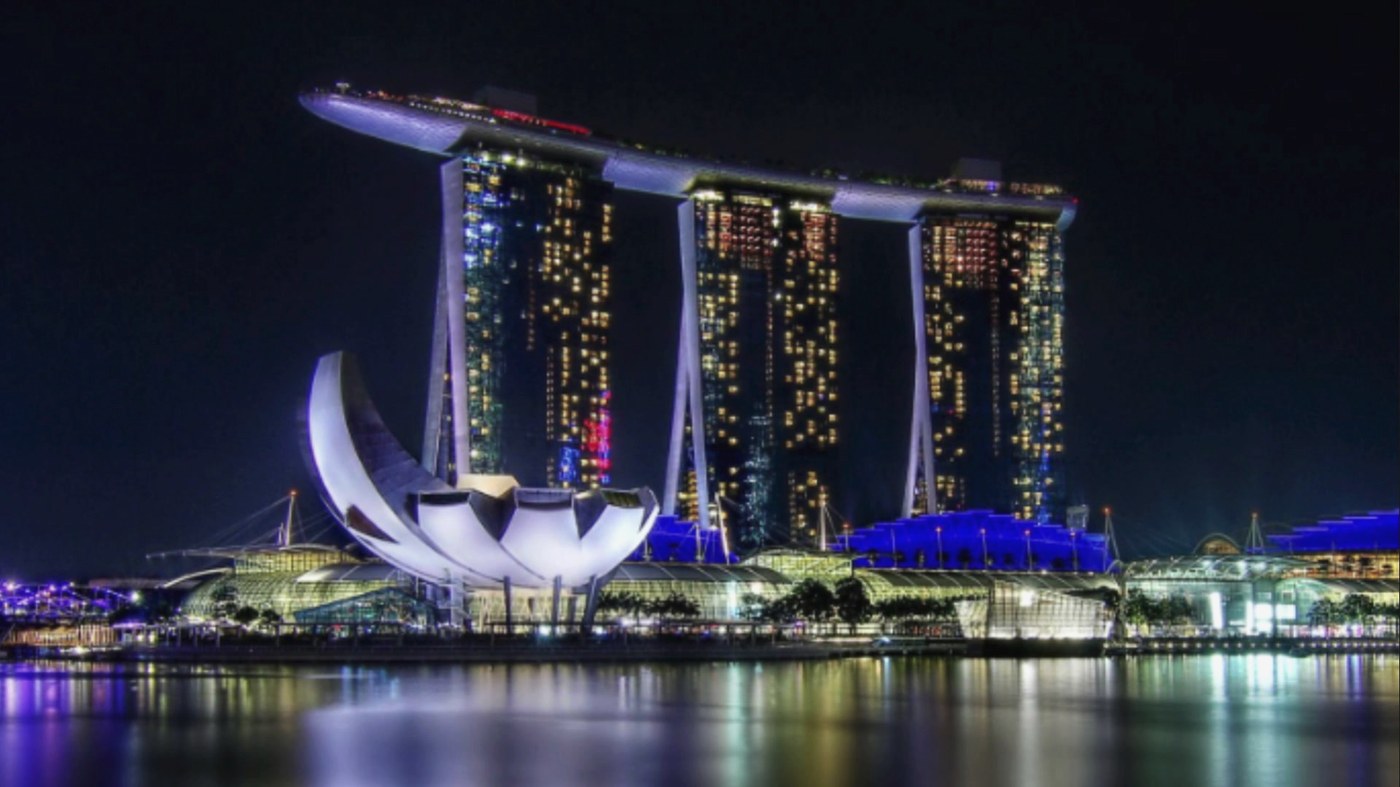
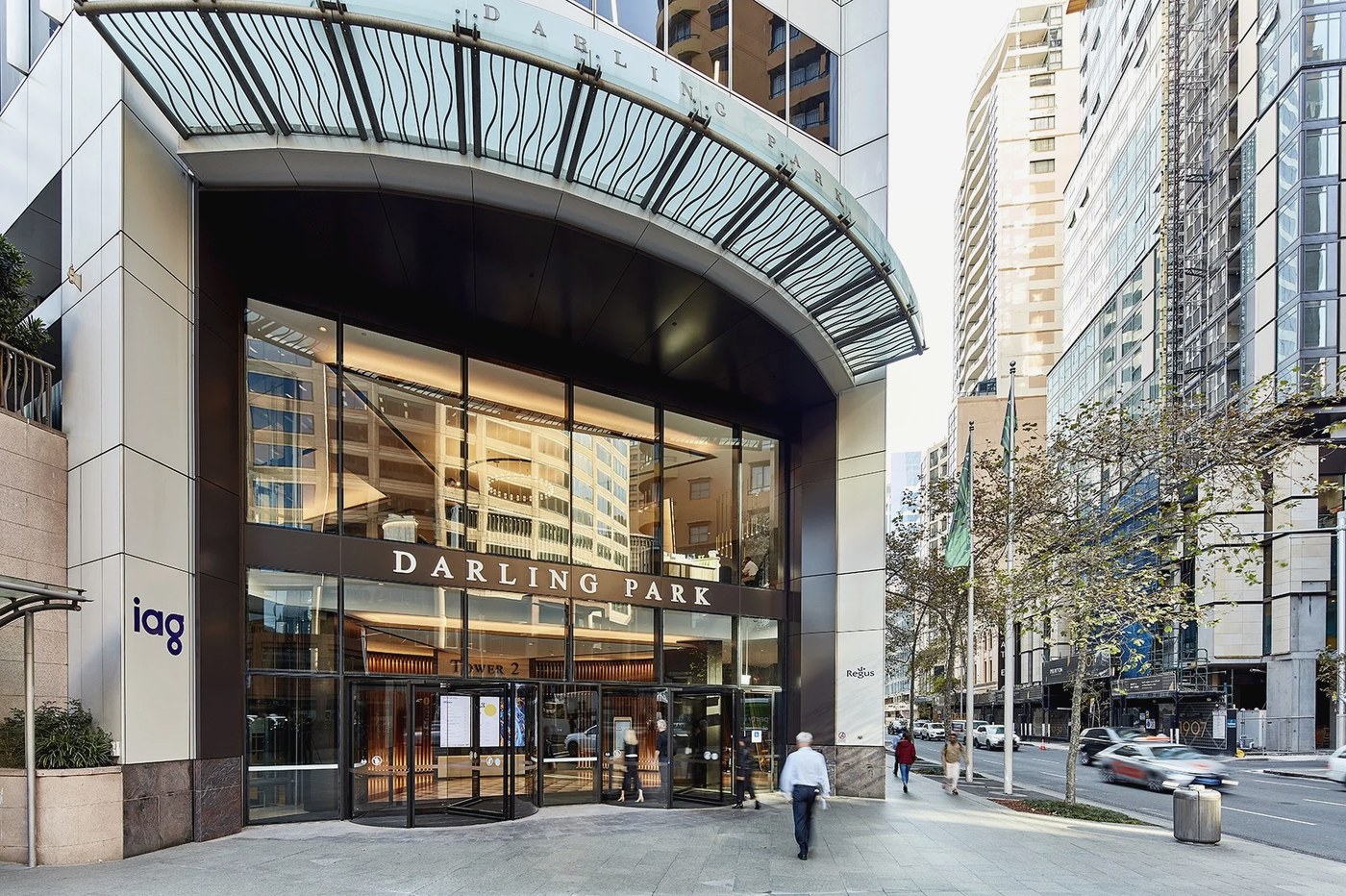
A three-tower precinct that knows how full it is, and guides you through it.
Permanent venues are where event lessons pay off. For the Darling Park redevelopment we designed, built and project-managed the precinct network across Towers 1, 2 and 3 - 2,000 concurrent devices across lobbies, retail and end-of-trip, on a dedicated single-mode fibre backbone with AI-driven wireless operations and 80 access points inside and out.
The layer owners care about sat on top: real-time occupancy analytics measuring how the precinct actually gets used, feeding interactive media walls, wayfinding kiosks and lift-lobby screens. This is exactly the scope we now write briefs for on the owner's side of the table, we've delivered it with our own hands first.
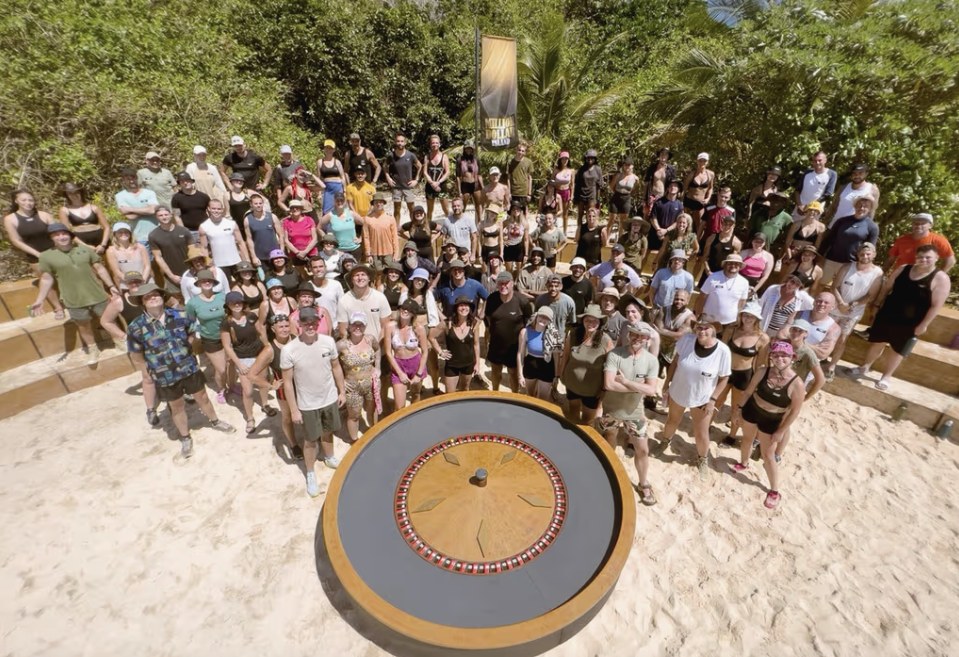
A hundred castaways, a jungle island, and a broadcast that needed city-grade bandwidth.
Million Dollar Island marooned 100 Australians on a remote island in the Langkawi archipelago - venomous snakes, wild boar, 90% humidity - while a full production machine filmed every minute. Reality TV at this scale runs on data: camera-to-edit transfer, crew comms, secure media storage, live review, none of which a jungle island provides.
We stood it up: a 2 Gbps fibre landing at the mainland production facility, a 5 km wireless relay across the water to the island site, IP radio comms across the set, RAID storage and wireless video links between camera units, zero-trust security over the lot, plus the unglamorous parts: power distribution, UPS, rigging, and keeping it all alive through tropical weather for the length of the shoot.
Live video from a firefighting helicopter at 140 knots. The link cannot drop.
This is what resilience engineering means when the stakes are real: rotary-wing aircraft on fire operations, streaming live FLIR video and telemetry to ops centres and ground crews through smoke, ash, heat and constant tower handoffs. We designed and QA-tested the connectivity stack - bonded multi-carrier LTE with eight-SIM diversity, MIL-spec switching proven under thermal and vibration testing, and a self-healing ground mesh so aircraft and ground nodes hand off without a beat.
Validated in flight, under operational conditions, until the failover behaviour was boring. Boring is the standard. It's the same discipline we fold into every venue and event design, just usually with fewer helicopters.
Broadcasting the underground, live, from the deepest, darkest rooms in the country.
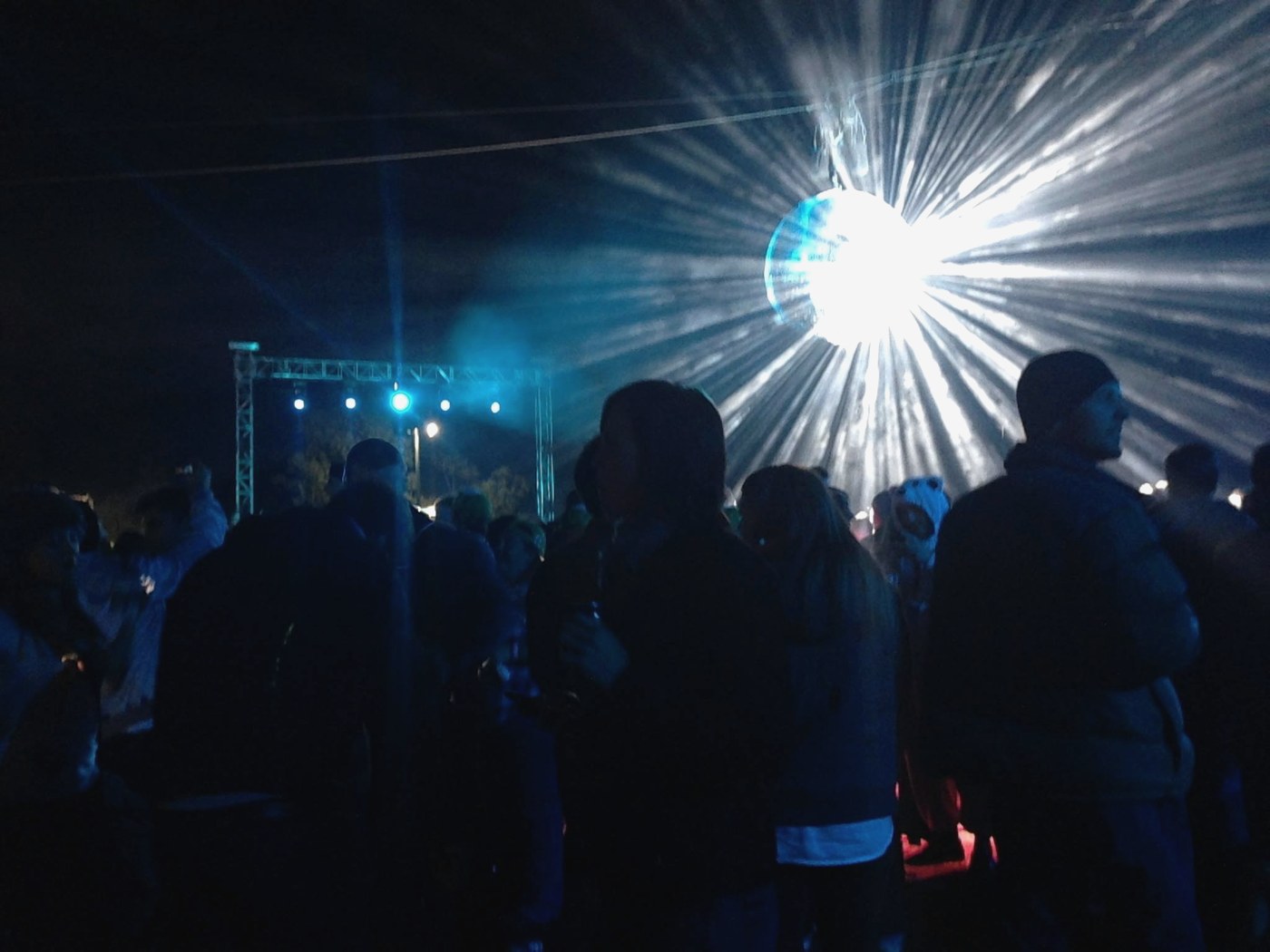
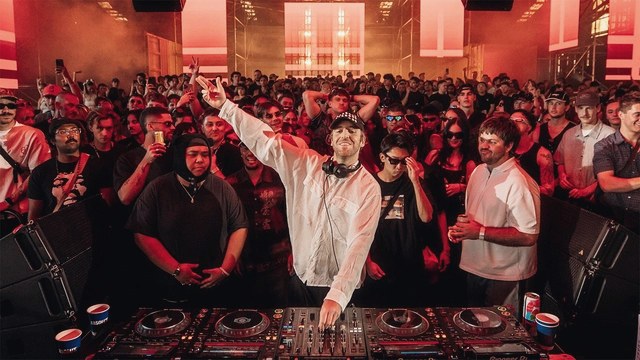
Boiler Room built its name streaming DJ sets live from the world's best small rooms to millions of viewers, and small rooms are the hardest broadcast environments there are. Basements with no line of sight, venues with saturated spectrum, one take, no second show. We designed and installed the connectivity that carried those Australian streams out: bonded uplinks engineered for rooms that actively fight radio signal, redundant to the point of stubbornness.
When the set is live and the room is heaving, there is no "we'll fix it in the mix." The stream held. Every time.
Three thousand beauty fans posting at once. The upload was the experience.
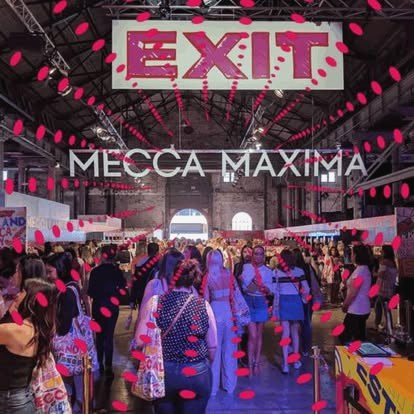
Meccaland was Mecca's "Coachella of beauty", around 15,000 fans across three days, 40-plus brand worlds, a glitter-curtain entrance and an audience that judges an event by whether the content uploads. In a heritage rail-workshop venue full of steel and no ceiling grid to speak of, that's a brutal brief: if the feed stalls, the activation failed.
We designed and delivered the lot: 160 access points rigged from lifts around heritage structure, three kilometres of cabling laid and struck inside the bump-in window, WiFi engineered for 3,000 concurrent users, with the hardware disappearing into the scenography, because at a beauty festival the network isn't allowed to be seen. Three days, full house, 100% network uptime.
Field notes
The smaller jobs. The same standard.
The dance floor that powered itself
We deployed the Sustainable Dance Floor, the world's first kinetic dancefloor, converting the crowd's movement into the electricity driving its own LEDs. Audience co-creation at its most literal: no dancing, no light show.
Wireless charging, rolled out nationally
Following Australia's first enterprise wireless-charging installs, we kept rolling: Optus's hospitality-styled Chermside flagship, McDonald's Castle Hill, KFC and Signature Group venues, charging built invisibly into tables and counters, years before phones made it standard.
Stores that could see themselves
We brought "plug and measure" venue analytics and virtual Bluetooth beacon platforms to Australian retail - footfall, dwell and engagement measured from the wireless layer itself, with machine-learning beacons that needed no batteries and no hardware refits.
Guest WiFi that worked the room
We deployed Zenreach (now Adventro) for venues, guest WiFi that turned a login into a relationship: contacts captured, visits recognised, guests automatically re-engaged. The thesis was simple and still is: a venue's network should earn it revenue.
Galaxy Studios, built overnight
Retail experiential for Samsung's Galaxy Studios at Bondi Westfield, connected demo experiences stood up inside a live shopping centre, delivered on centre-management timetables and captured in a time-lapse worth watching.
WiFi for the toughest crowd in media
Advertising Week APAC filled Luna Park with the advertising industry, thousands of delegates who live online and file copy for a living. We delivered ubiquitous WiFi across the venue for the duration. No complaints from a room full of professional complainers.
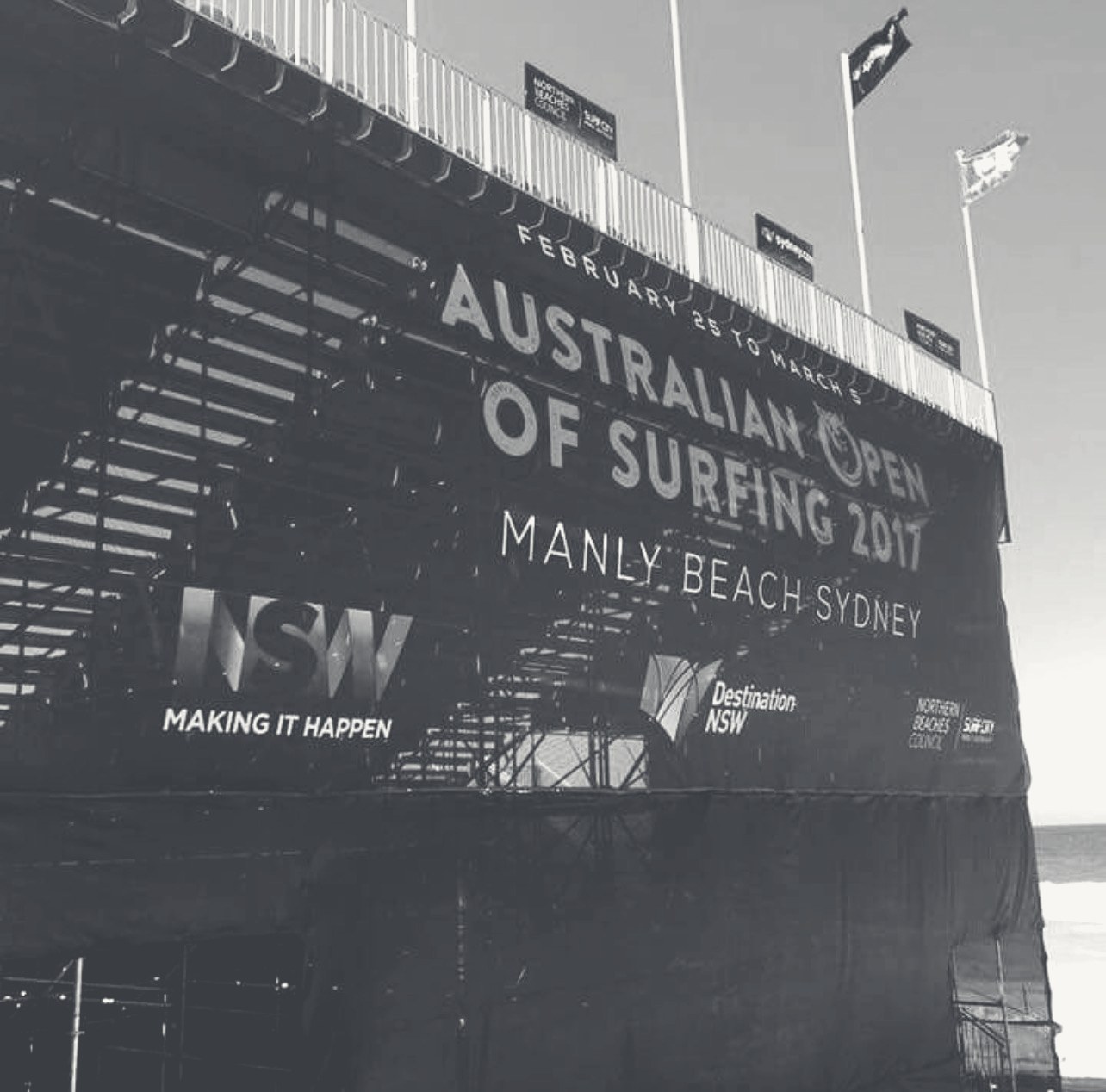
WiFi on the sand at the Australian Open of Surfing
A surf comp is a broadcast operation on a beach - judging tower, media compound, live streams - in salt spray and sea wind. Our masts went up over Manly and held for the week, weather regardless.
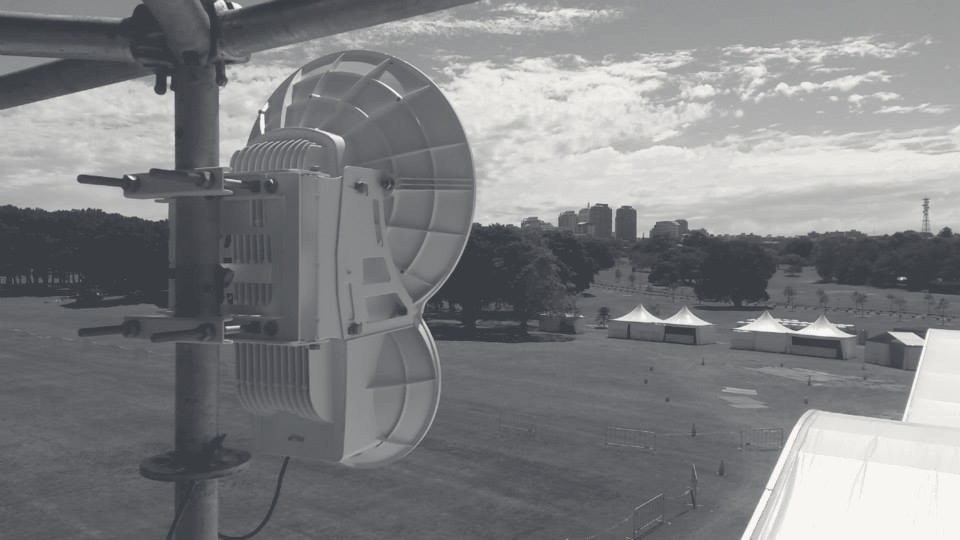
The world's largest short film festival, under open sky
Tropfest is an open-air premiere for tens of thousands: point-to-point links thrown across parkland, production and media connectivity behind the screen, cinema-grade delivery with sky for a ceiling.
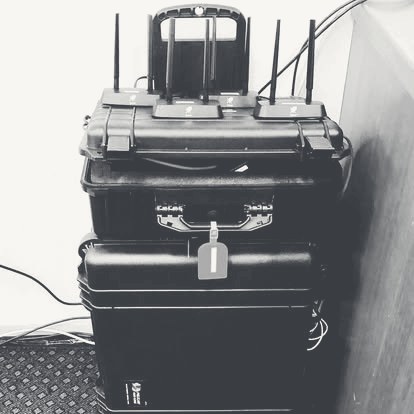
City bandwidth from a road case
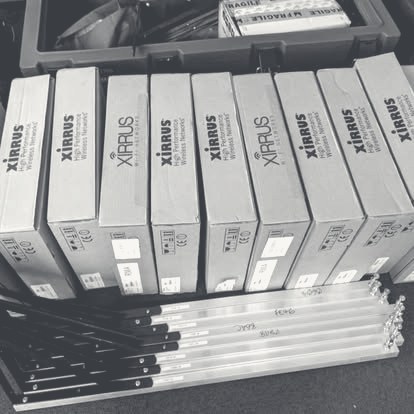
Lismore Courthouse needed serious connectivity where fixed options couldn't deliver. Our bonded-WAN rig arrived in a stack of road cases and benchmarked 173 Mbps down, 51.8 up, zero packet loss, proof that "remote" is a design problem, not a bandwidth sentence.
Industry firsts
Early to the technology. Proven at scale. Repeatedly.
2005
Australia's first large-scale wireless mesh event network
Deployed at the AIMEX mining conference, the template for the temporary event infrastructure that's now standard at every major exhibition.
2005-2010
CeBIT Australia's exclusive network partner, five years running
The country's biggest IT show trusted one team with its connectivity for five consecutive years. In front of the industry's toughest audience.
2014
World's largest outdoor location-based WiFi network
Designed and built for IBM at Vivid Sydney, international industry attention, and the precursor to today's smart-precinct analytics.
2016
Australia's first enterprise wireless charging rollout
Brought enterprise-grade wireless charging to Australian hospitality with installations for KFC, McDonald's and Signature Group.
And the other 250+
Festivals, fashion weeks, footraces, flagship stores.
Formula 1 Australian Grand Prix. Splendour in the Grass. Big Day Out. Future Music Festival. Sydney Festival. Mercedes-Benz Fashion Week. YouTube Brandcast. The Sydney Royal Easter Show. City2Surf. The British & Irish Lions Tour. Margaret River Gourmet Escape. Samsung's first Australian flagship stores. A ferry serving a New Caledonian mine. Over 250 events and activations, each with its own show day, and a decade of remote-infrastructure delivery across Australia between them.
Ask us about the one that sounds most like yours.
Your turn
Your show day is already on the calendar.
Whether it's an opening night in 2031 or a festival gate this summer, the network's fate is decided in the design. Let's start there.
Start a conversation +61 461 406 833